


Commercial Dairy Programs

Commercial Beef Programs

What is IVF?
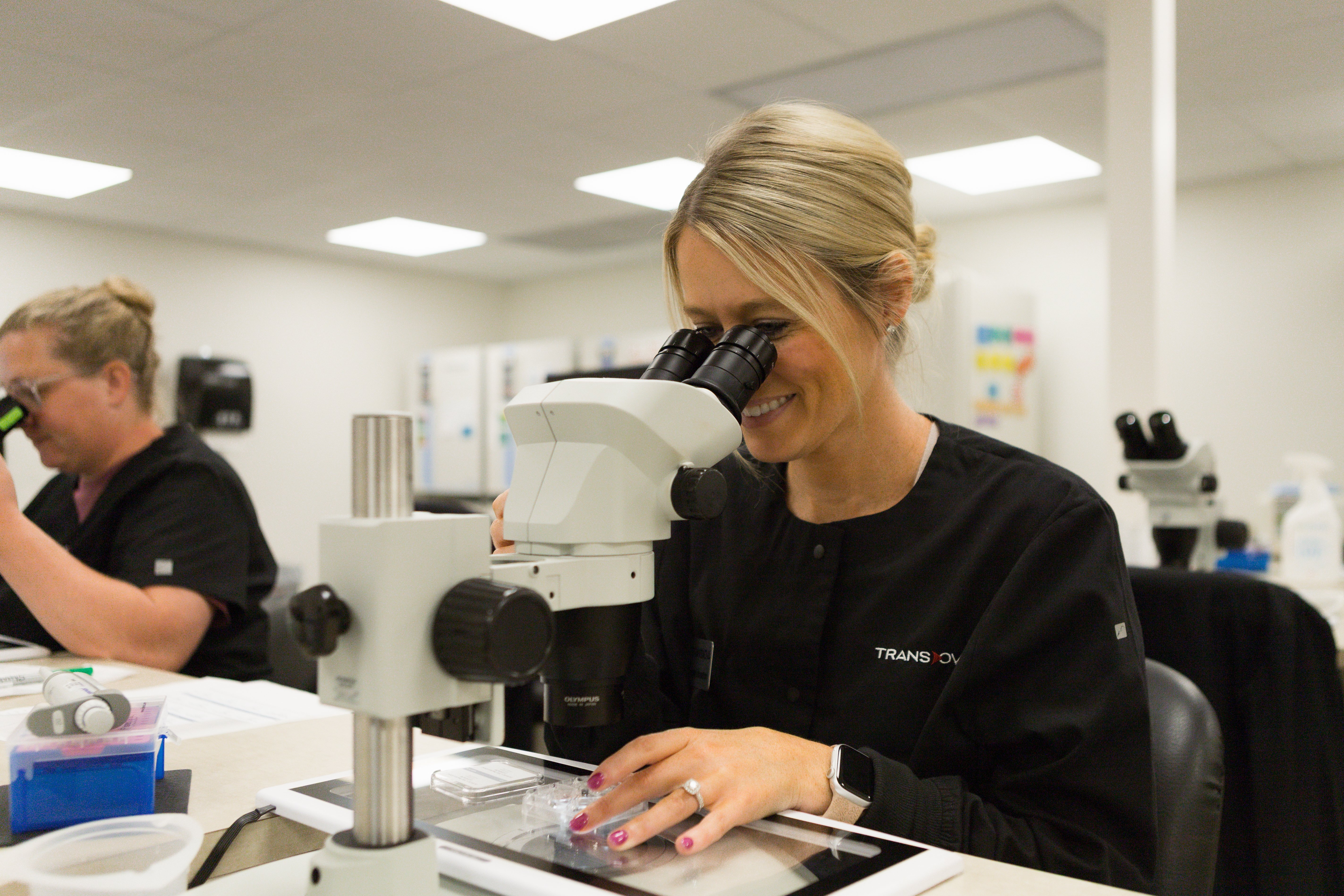
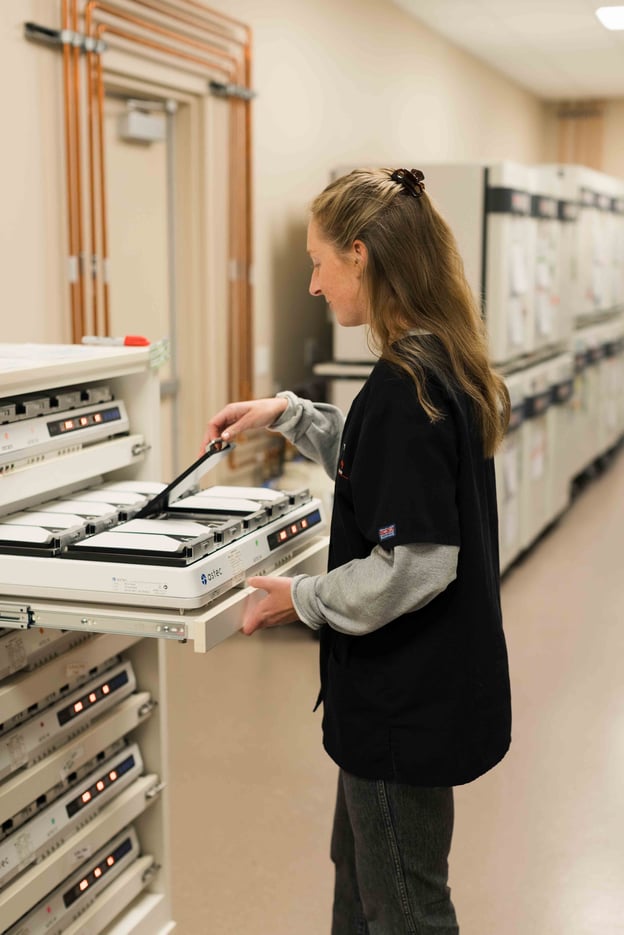
In vitro fertilization is a reproductive service that collects unfertilized eggs, also called oocytes, from a donor female. Those eggs are fertilized in the lab, developed into embryos and then transferred fresh, frozen for later use or prepared for the next step in your program.
For the right donor and goals, IVF can offer more flexibility than conventional embryo transfer. Donors may be collected more frequently, semen may be used more efficiently and your team can help determine whether fresh transfer, freezing, shipping or recipient options fit your plan.
How IVF Works
Every IVF program starts with your goal. From there, the Trans Ova team helps coordinate donor timing, semen use, embryo development and the best path for transfer or freezing.



Why Producers Choose Trans Ova for IVF
IVF is not one-size-fits-all. The strongest programs are built around the donor, the semen, the recipient plan and the producer’s end goal.
More Opportunities From Top Donors
Create more chances to generate pregnancies from the females already proving their value.
Flexible Donor Management
IVF may fit donors that are young, pregnant, recently calved or not ideal candidates for conventional embryo transfer.
Efficient Semen Use
Make strategic use of limited, high-value or sexed semen across the donors that matter most.
A Plan Built Around Your Goals
Your IVF program is shaped around your herd, timing, recipients, semen choices and comfort level.
Experienced, Consistent Lab Support
Your program is backed by proven processes, consistent lab performance and 45+ years of reproductive experience.
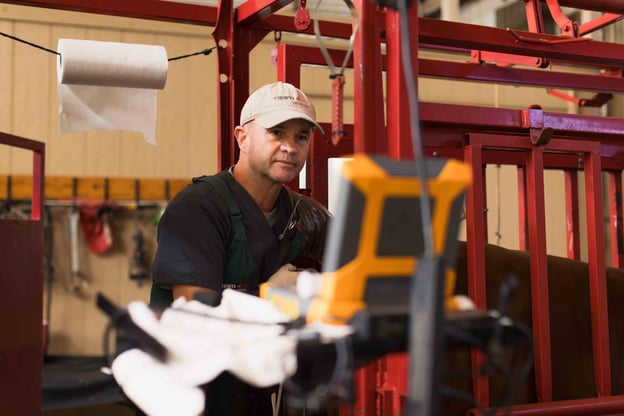
People Who Stay With the Details
From scheduling to results, our team helps you understand your options and keep the program moving.

IVF Across Program Types
Beef
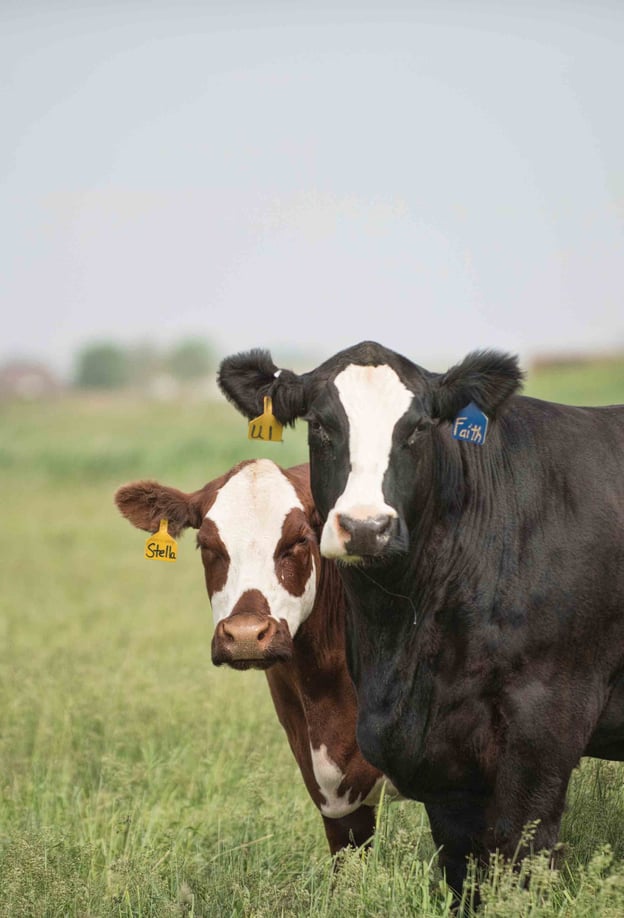
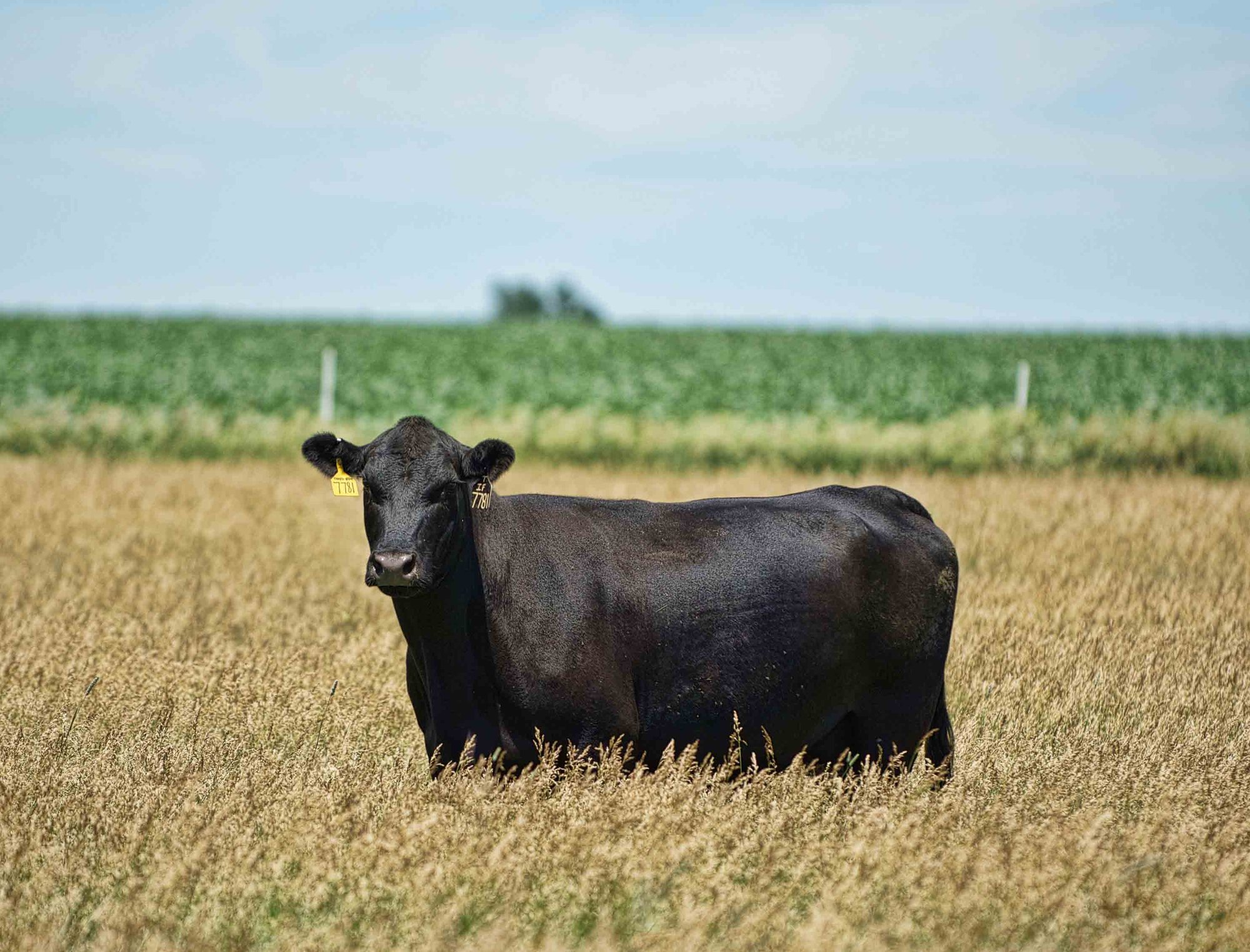
For beef producers, IVF can help multiply elite donors, make strategic use of limited semen and create more opportunities within defined breeding, sale or show timelines.
Dairy
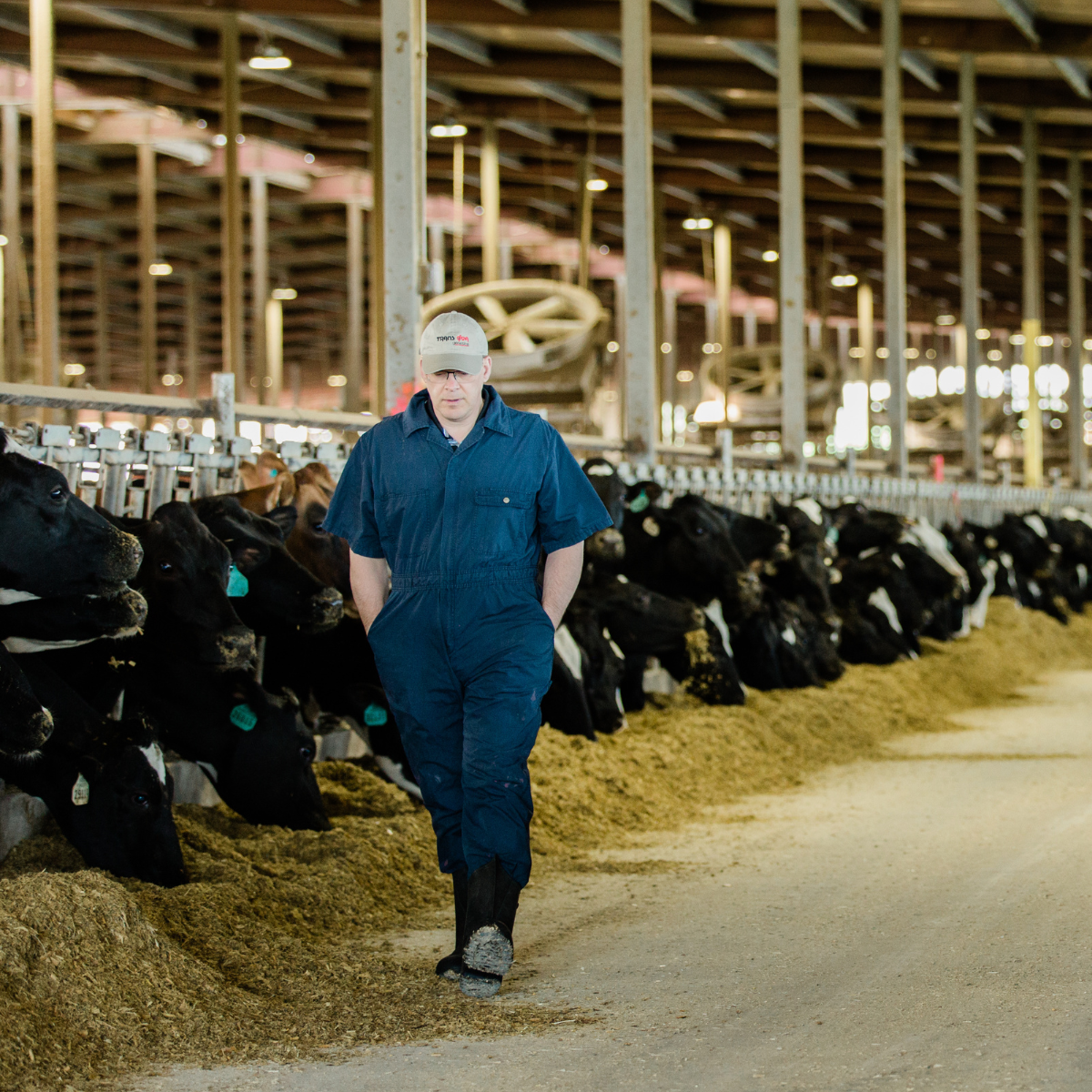
For dairy producers, IVF can support faster genetic progress, targeted replacement strategies and more control over the females entering the next generation of the herd.

Where IVF Is Offered
IVF services are available through select Trans Ova locations, satellite sites and partnering practitioners. Use the location finder to see where IVF is offered and connect with the team that can help you plan your next step.
- Core Locations
- Network Sites
- Partner Sites
- Extension Sites
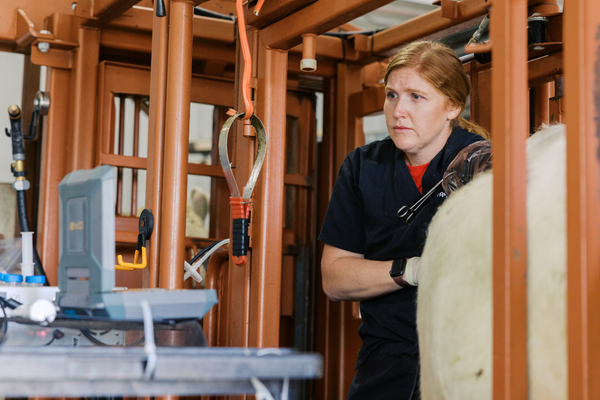
For producers managing elite donors, that flexibility can make IVF a practical way to create more opportunities without pulling the operation off track.
“IVF gives you more chances at bat out of your very best cows.”
Kyle Perez
Perez Cattle Co.
IVF Resources and Success Stories

IVF
Meet the Dairy Team
At Trans Ova, we’re focused on helping producers make confident decisions that move their herds forward. For dairy producers, that means hav...


Company News
Doc’s Ruminations: Building Genetic Progress in Your Dairy Herd
Insights from Dr. Kevin Hoogendoorn, DVM, CEO of Trans Ova Genetics


IVF
Experience to Maximize Results
Madeline Batsiokis’s vast experience in the IVF industry has shown her the importance of planning when it comes to achieving maximum results...