Skip to content

Porcine Cloning

A step-by-step look at how Trans Ova helps clients pursue cloned animals from valuable swine genetics, from planning and embryo implantation through farrowing, weaning and pickup.

Why Clone Your Best Swine?

Porcine cloning services may help preserve valuable swine genetics, extend the influence of elite donors or create future breeding opportunities from animals that have already proven their value. For producers and breeding programs with high-impact genetics, cloning can be one way to protect years of selection and keep important traits moving forward.

The porcine cloning process begins with a signed contract, down payment and clear production goals. From there, Trans Ova coordinates embryo creation and implantation, pregnancy monitoring, farrowing, weaning and pickup. The steps below outline what clients can expect as the process moves forward.

Step-by-Step Porcine Clonin Process

Porcine cloning services involve several coordinated steps. The exact timing may vary, but the process generally moves from contract and planning through embryo implantation, pregnancy monitoring, farrowing, weaning and pickup.
first-icon

Start With a Contract and Down Payment

Before work begins, a porcine cloning services contract must be signed and a down payment submitted. The down payment is calculated based on the number of transfers ordered.
second-icon

Define Your Piglet Goals

Next, you’ll discuss how many piglets you would like to produce and confirm the production goals, timing and expectations for the order.
third-icon

Schedule the Order

Once the contract and down payment are received, the order is scheduled with the Advanced Technologies team. Scheduling depends on production planning, recipient availability and facility timing.
fourth-icon

Create and Implant Embryos

Embryos are created through the cloning process and implanted according to the scheduled order. After implantation, clients receive an implant report with order details.
fifth-icon

Monitor Pregnancies

If Trans Ova recipients are used, pregnancies are checked at approximately 30 days and a pregnancy report is provided.
sixth-icon

Adjust If Pregnancy Numbers Fall Short

If pregnancies fall short of the number ordered, additional embryos may be implanted according to the agreement and production plan.
seventh-icon

Manage Farrowing and Weaning

Pregnancies, farrowing and weaning take place at designated Trans Ova facilities under strict porcine biosecurity protocols.
eighth-icon

Prepare for Piglet Pickup

After weaning, piglets remain under care until pickup is scheduled. All fees must be paid before pickup.
AdobeStock_304335215

Payment & Pricing Overview

Porcine cloning services require a signed contract and down payment before the process begins. The down payment is calculated based on the number of transfers ordered, and all fees must be paid before piglet pickup.
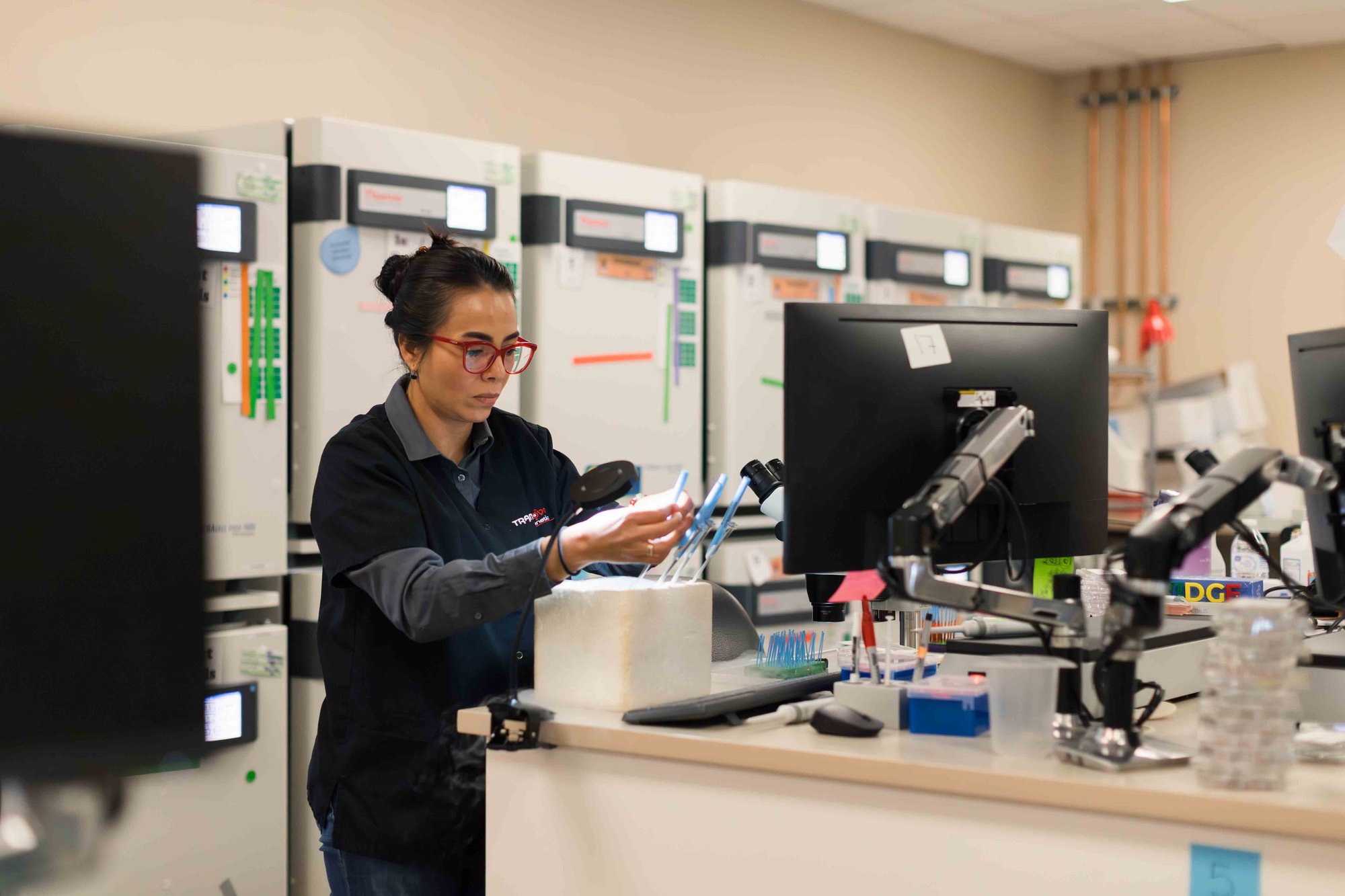
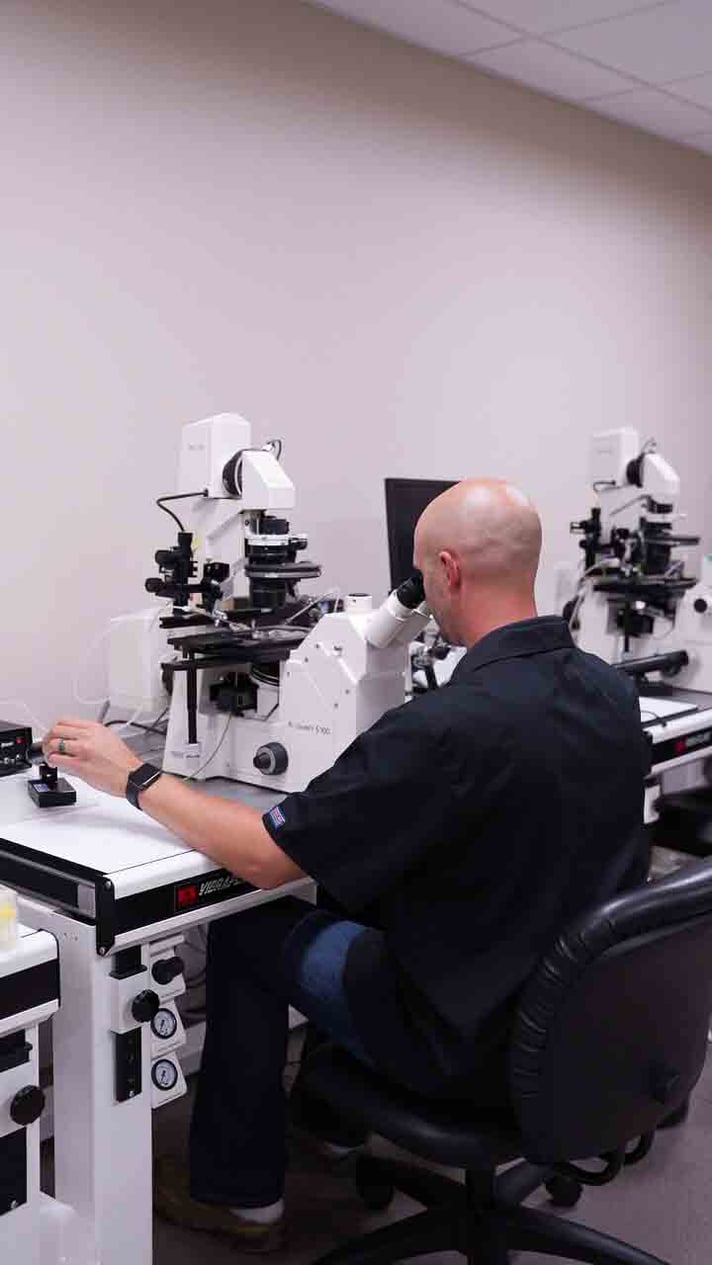
Lab technician handling samples at a workstation in a genetics laboratory.

Monitoring & Reporting

Clients receive updates as the porcine cloning process moves forward. After embryos are implanted, an implant report is sent to the client. If Trans Ova recipients are used, pregnancies are checked at approximately 30 days and a pregnancy report is provided.

If the number of pregnancies falls short of the number ordered, additional embryos may be implanted according to the agreement and production plan.
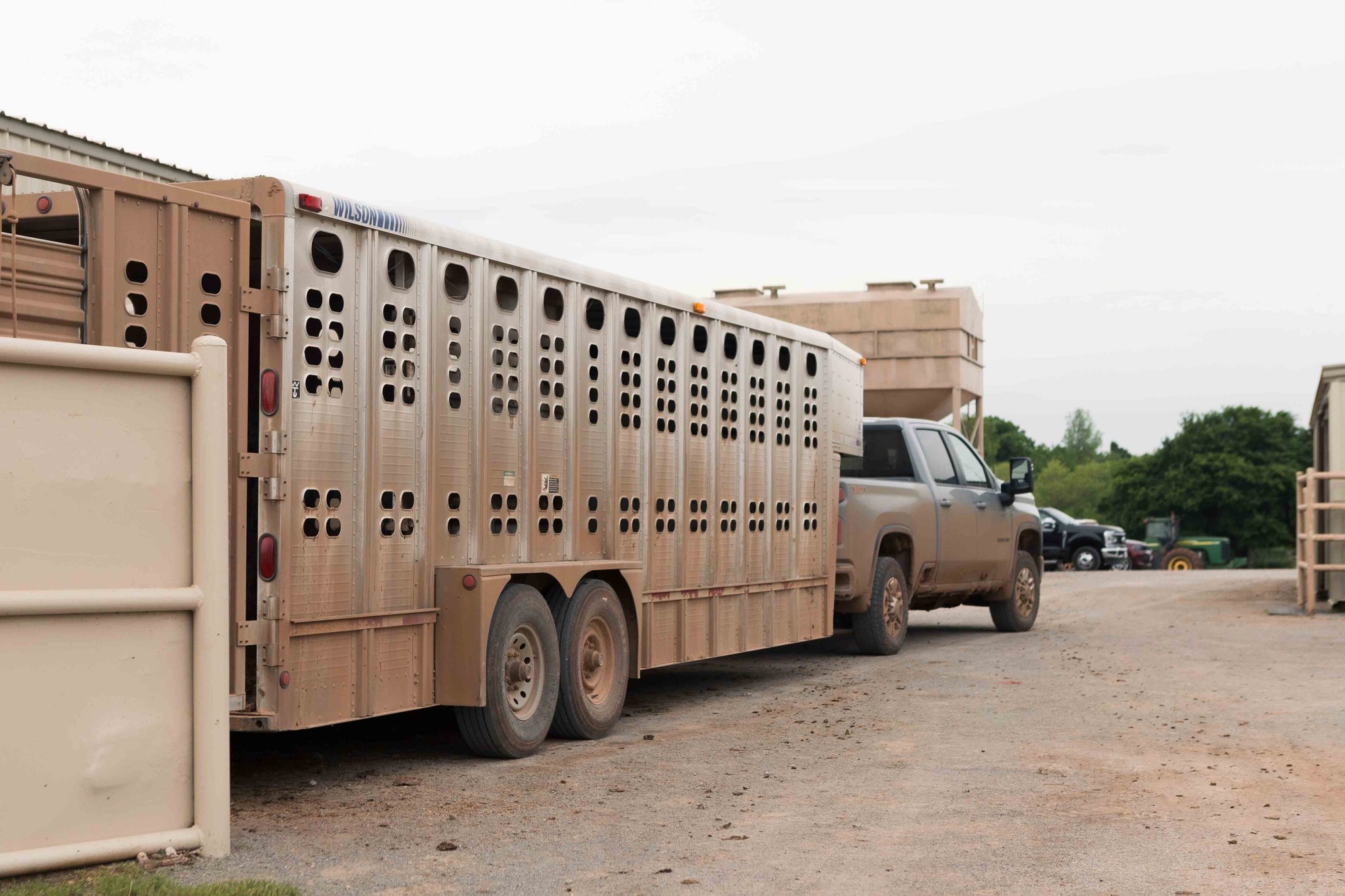
A truck pulls a livestock trailer on a rural road, surrounded by trees and farm equipment under an overcast sky.

Housing & Care

Pregnancies, farrowing and weaning take place at designated Trans Ova facilities. Because porcine housing requires strict biosecurity protocols, visitors are not allowed at the porcine facility.

Photos and videos may be provided upon request. Unannounced visitors are not permitted at housing centers.

Important Policies & Terms

Porcine cloning services include important contract terms around implantation attempts, termination, down payments, production expenses, biosecurity and facility access. Clients should review the full agreement before moving forward so expectations are clear from the start.

Current page direction notes that cloning contracts may be terminated if Trans Ova attempts implantation twice without success. A termination letter will be issued if that occurs. Contracts may also be terminated if new information warrants it, such as genetic issues. Down payments may be retained to cover production expenses on terminated contracts.

Because of porcine biosecurity protocols, no visitors are allowed at the porcine facility. Photos and videos may be available upon request.

Ready to get started?

If you are ready to begin a porcine cloning request, start by contacting the Advanced Technologies team. We’ll help confirm the next step, explain the contract and down payment process, and discuss the animal, goals and timing involved.
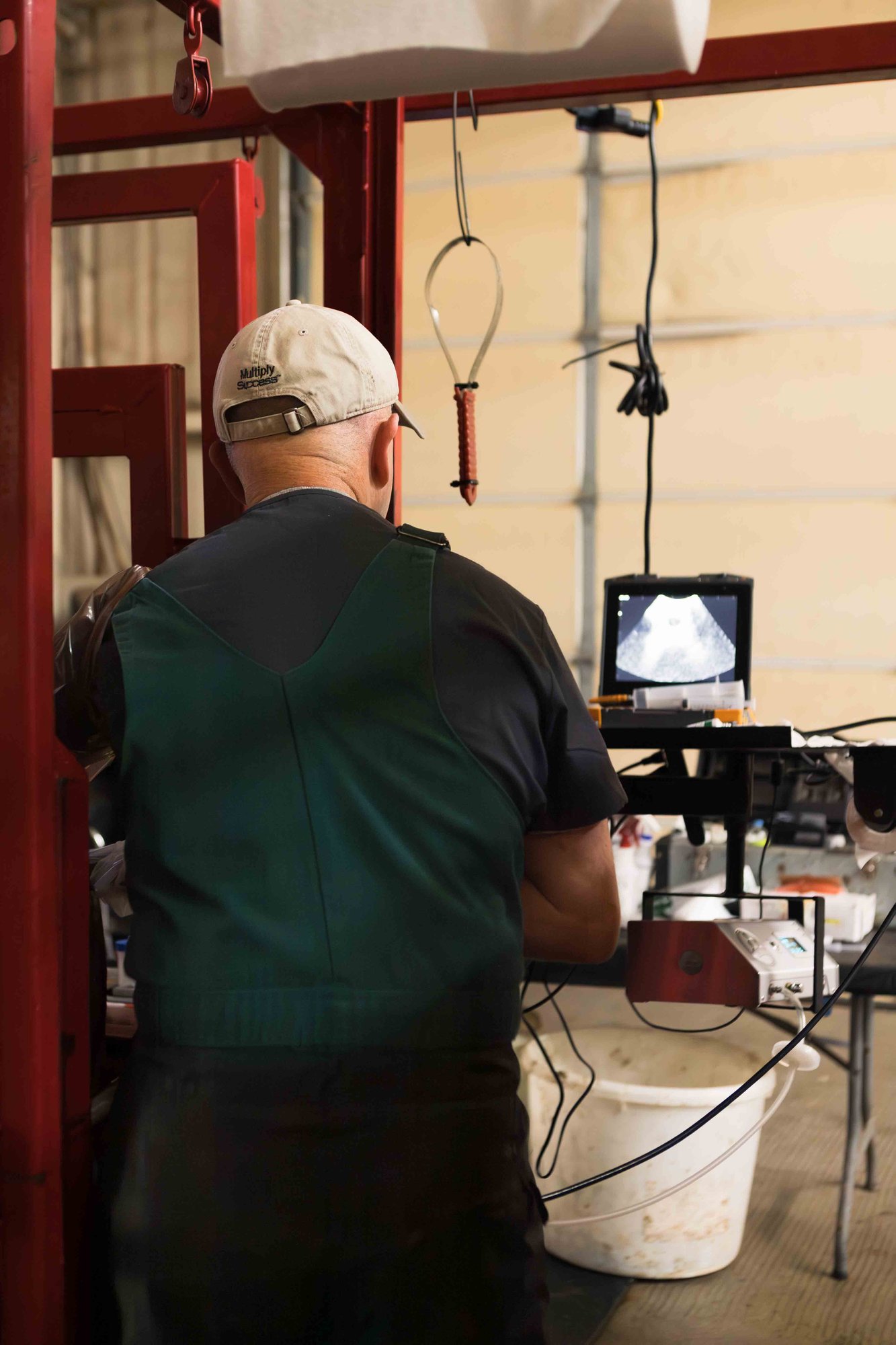
A man in a cap and apron examines an ultrasound monitor in a workshop, surrounded by equipment and wires.

Questions About Porcine Cloning

Swine producers may use cloning services to preserve valuable genetics, extend the influence of elite animals or create future breeding opportunities from genetics that are difficult to replace.

A cloned animal is a genetic twin to an existing animal, born at a different point in time. The cloned animal carries a nuclear genome that matches the genetic donor.

Yes. A cloned animal carries a nuclear genome that matches the donor animal. Genetic expression and performance can still be influenced by environment, management, nutrition and other factors.

The overall goal is similar, but the process, recipients, pregnancy monitoring, farrowing, weaning and biosecurity requirements differ by species. Porcine cloning also involves strict facility access rules because of swine biosecurity protocols.

Trans Ova has extensive experience in porcine cloning services and more than 25 years of cloning experience across species. Confirm final approved wording with the Advanced Technologies team before publishing.

No. Due to strict porcine biosecurity protocols, visitors are not allowed at the porcine facility. Photos and videos may be provided upon request.

Related Advanced Technology Services

Advanced Technologies Explore the full set of specialized services, including cloning services, genetic preservation and express tissue bank.
Genetic Preservation Process Learn how tissue samples can be cultured, cryopreserved and stored for potential future cloning use.
Bovine Cloning Process Review the cloning process for cattle genetics and high-value bovine program goals.