Bovine Cloning
A step-by-step look at how Trans Ova helps clients pursue a cloned animal from valuable cattle genetics, from planning and embryo implantation through calf care.
Why Clone Your Best Cattle?
Bovine cloning services may help extend the influence of valuable cattle genetics, replace genetics lost too soon or create future breeding opportunities from an animal that has already proven its value. For producers with an elite donor, standout breeding animal or irreplaceable genetic line, cloning can be one way to protect what years of selection have built.
The bovine cloning process starts with a signed contract, down payment and clear production goals. From there, Trans Ova coordinates scheduling, embryo creation and implantation, pregnancy monitoring, calving and post-calving care. The steps below outline what clients can expect as the process moves forward.
Step-by-Step Bovine Cloning Process
Cloning services involve several coordinated steps. The exact timing may vary, but the process generally moves from contract and planning through embryo implantation, pregnancy monitoring, calving and calf pickup.
Define Your Calf Goals
Schedule the Order
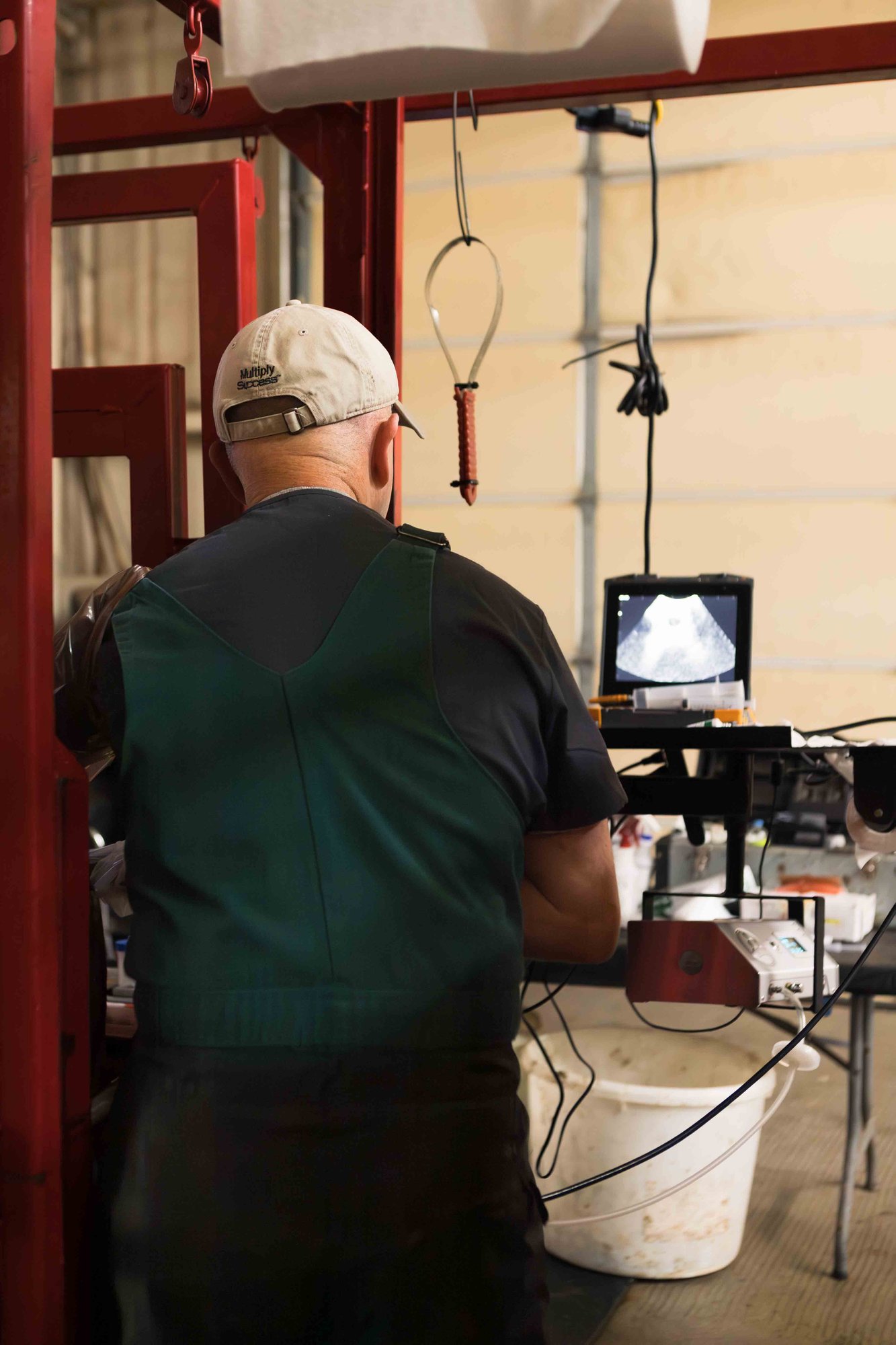
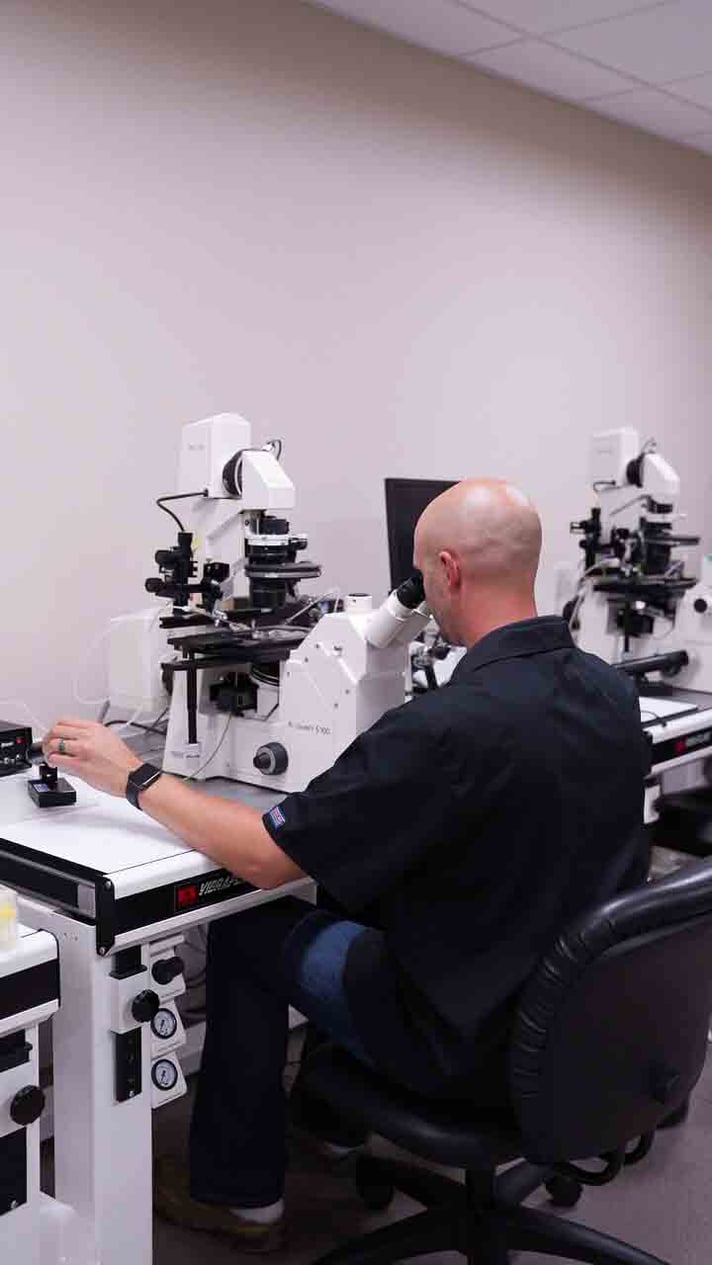
Create and Implant Embryos
Monitor Pregnancies
House Recipients and Manage Calving
Care for the Calf After Birth
Prepare for Pickup
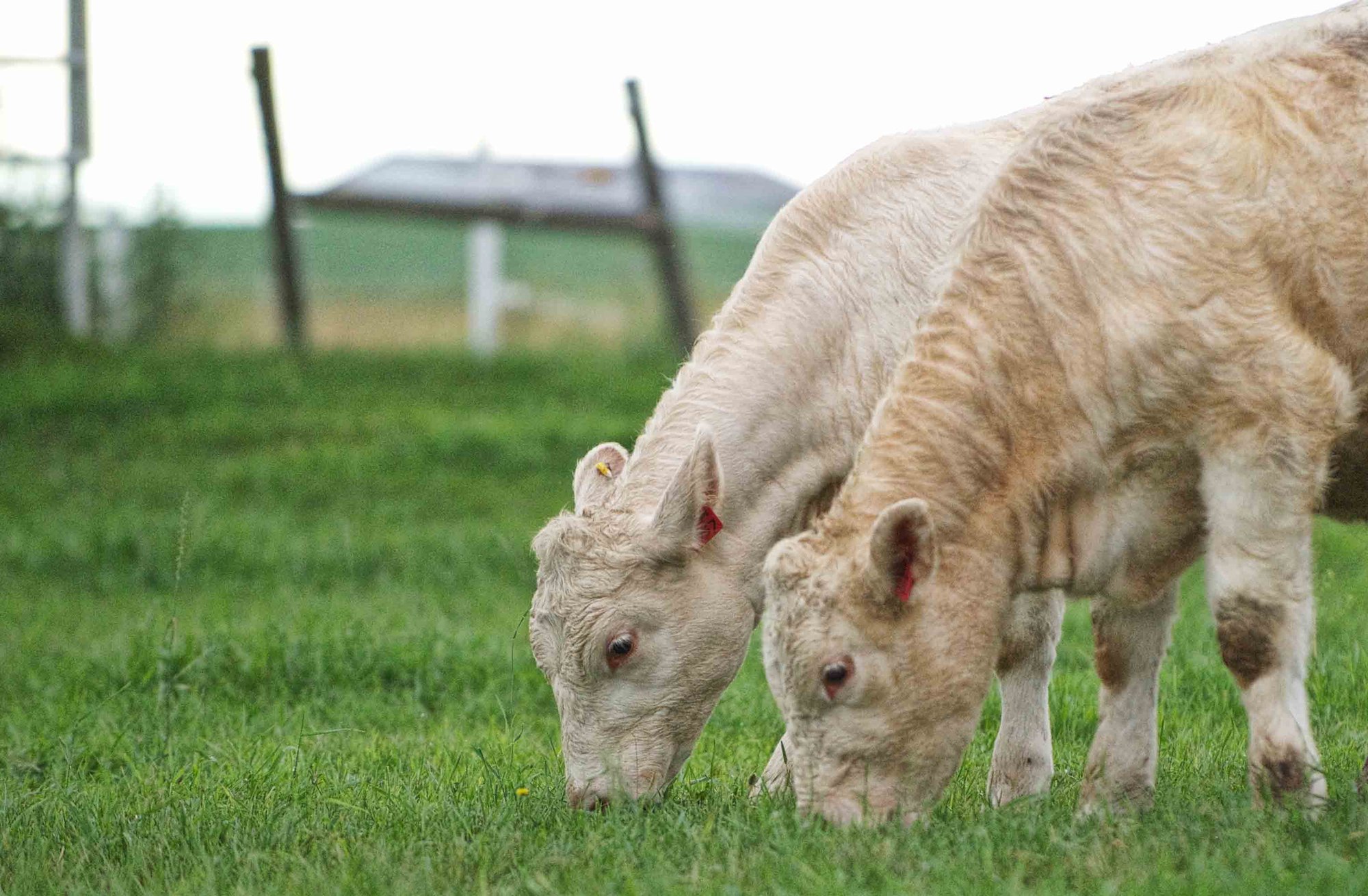
Payment & Pricing Overview
Bovine cloning services require a signed contract and down payment before embryos are implanted. Current pricing, payment timing, board fees, calf housing fees and pickup requirements should be confirmed with the Advanced Technologies team before the process begins.
A 50% down payment is required at contract signing. Board fees begin at birth, billing begins at 30 days of age and all fees must be cleared before calf pickup.
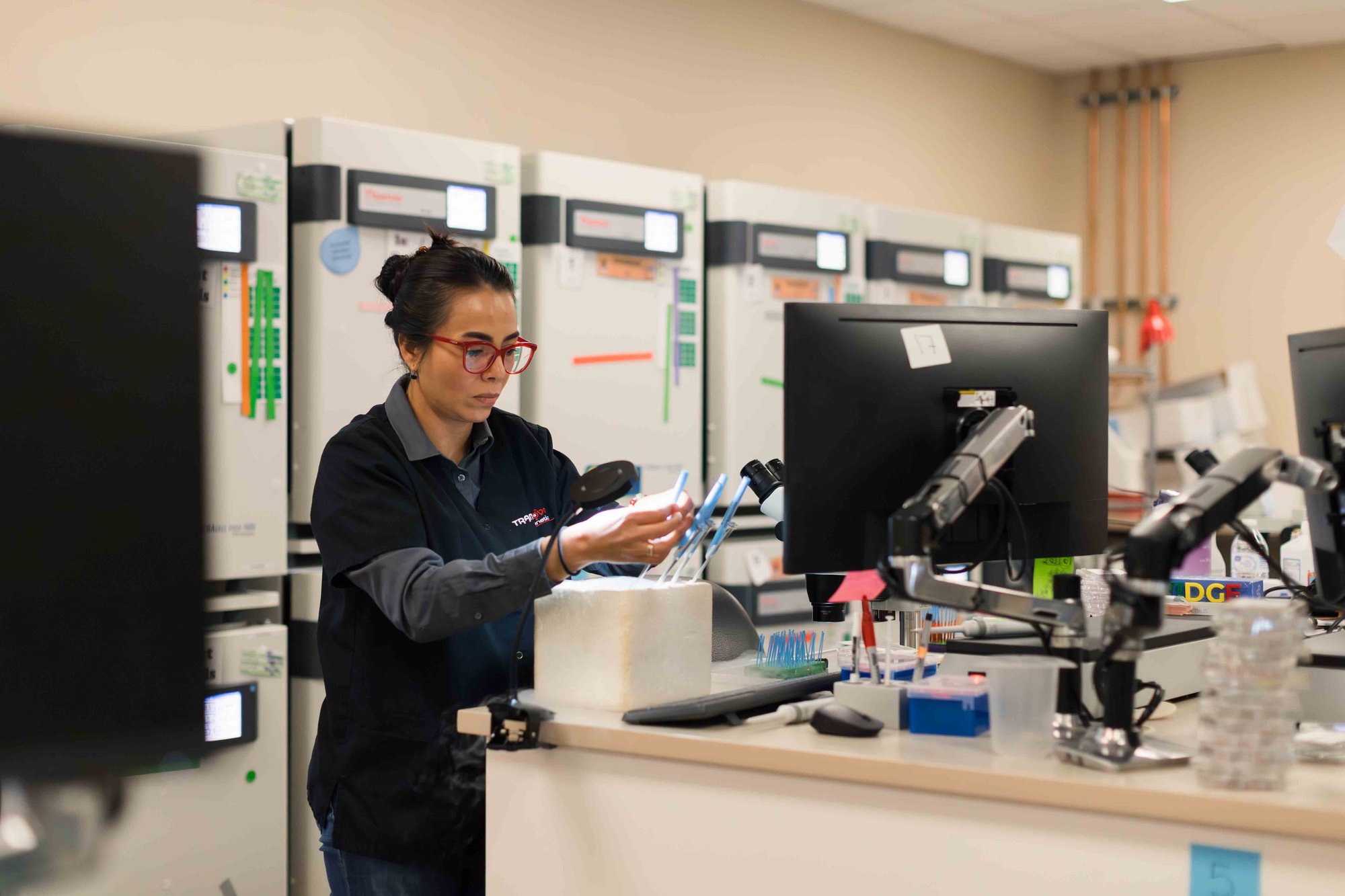
Monitoring & Reporting
Clients receive updates as the cloning process moves forward. After implantation, an implant report confirms order details. Gestating pregnancies are checked every two months, with quarterly pregnancy reports sent to the client.
After the calf is born, a calving report is provided within two weeks of birth so clients have clear documentation as the calf moves into post-calving care.
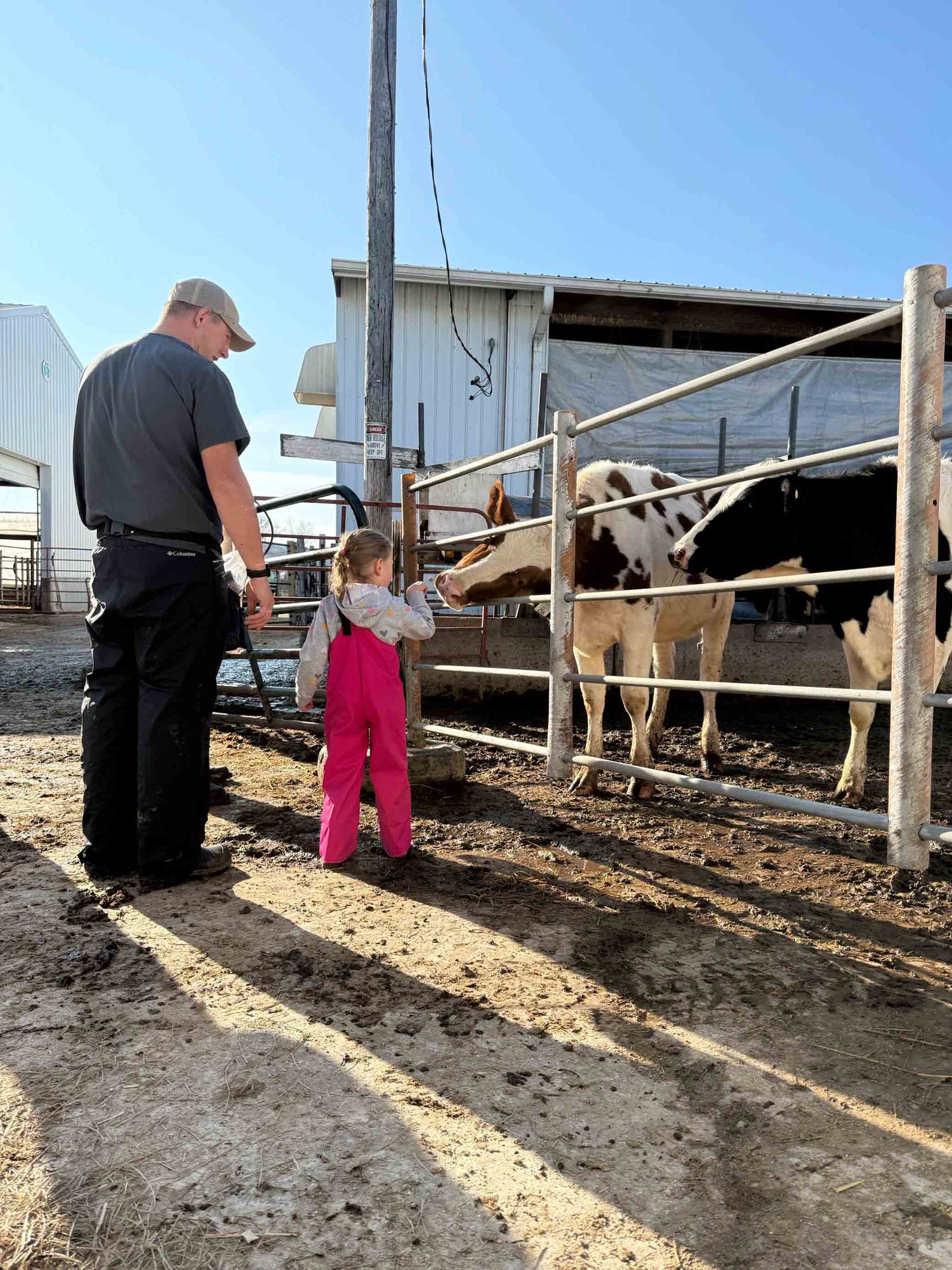
Housing & Care
Pregnant recipients are housed and calved at Trans Ova’s Iowa facility. After birth, calves remain at the facility for at least 60 days and may stay up to six months if requested.
Before leaving the facility, calves receive a health exam. Visits require advance notice so the team can coordinate scheduling and biosecurity requirements.
Important Policies & Terms
Bovine cloning services include important contract terms around embryo implantation, termination, down payments, calf loss, insurance and pickup. Clients should review the full agreement before moving forward so expectations are clear from the start.
Current legacy terms note that contracts may be terminated if the stated embryo implantation threshold is reached without success, and additional terminations may occur if new information warrants it. Down payments may be retained to cover incurred production expenses. If a calf dies during the housing period, a credit may be issued if warranted; no credits are issued for losses after the calf leaves the facility, so insurance is recommended.
A cloned animal is a genetic twin to an existing animal, born at a different point in time. The cloned animal carries a nuclear genome that matches the genetic donor.
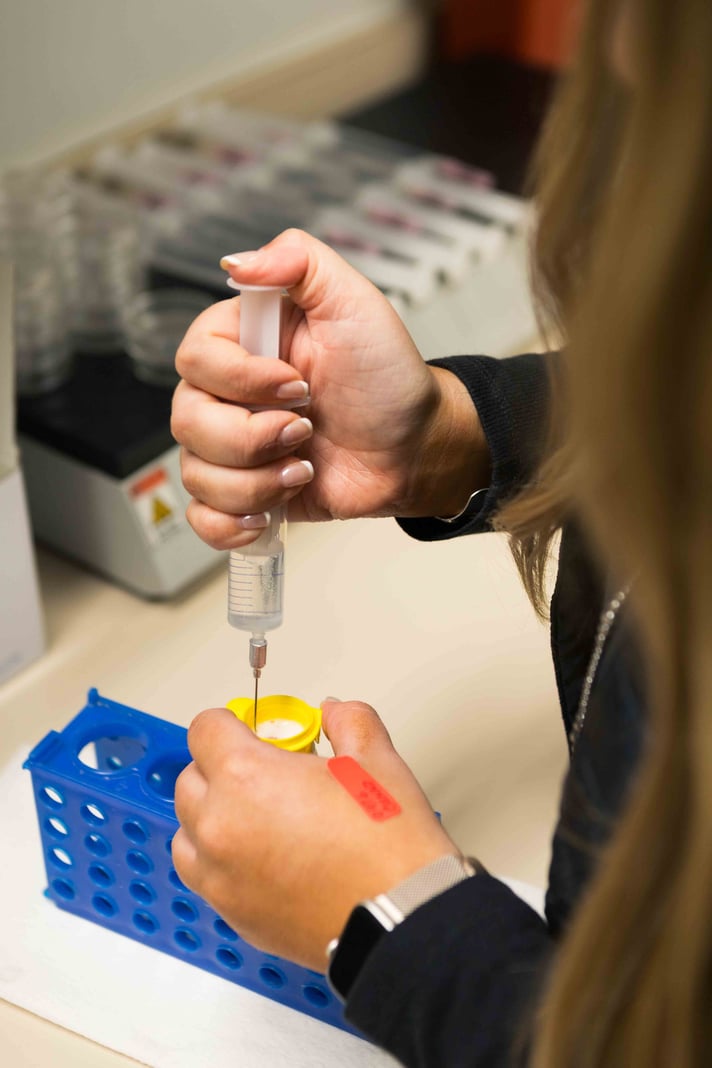
Cloning uses somatic cell nuclear transfer. In simple terms, cells from the donor tissue sample are used with an oocyte whose nucleus has been removed. The resulting embryos are cultured and then transferred to recipient mothers.
Yes. The cloned animal carries a nuclear genome identical to the genetic donor. Breed registry DNA genotypes and genomic evaluations should match the donor.
Trans Ova has more than 25 years of cloning experience and decades of advanced reproductive technology experience. Confirm current wording with the Advanced Technologies team before publishing.
This is a regulatory question and should be reviewed before publishing. FDA guidance states that foods from cattle, swine and goat clones and the offspring of animal clones are considered as safe as food from conventionally bred animals. Current labeling language should be confirmed with legal or regulatory review before the site goes live.
Contact Trans Ova’s Advanced Technologies team to discuss the animal, goals and timing. The process begins with a signed contract and down payment before embryos are implanted.